Hardware

The boards that run UMSH today, the ones being worked on, and what each is good for.

Every supported board runs the same firmware image, built for its own hardware. There is no separate repeater build and no separate companion build — whether a node repeats traffic, reports its position, or simply carries your messages is configuration you apply afterwards, over Bluetooth or a USB cable. A tracker in your pocket today can be a repeater on a hilltop tomorrow without reflashing.

The categories below are about what a board is good for, not about what software it can run.

Companion radios and trackers

Radios that pair with the phone app over Bluetooth. This is where most people start.

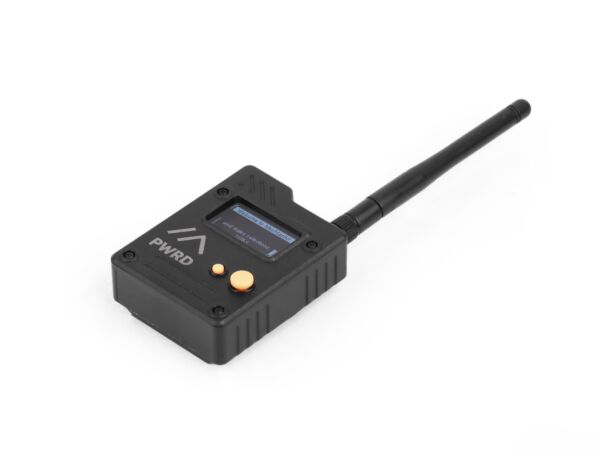
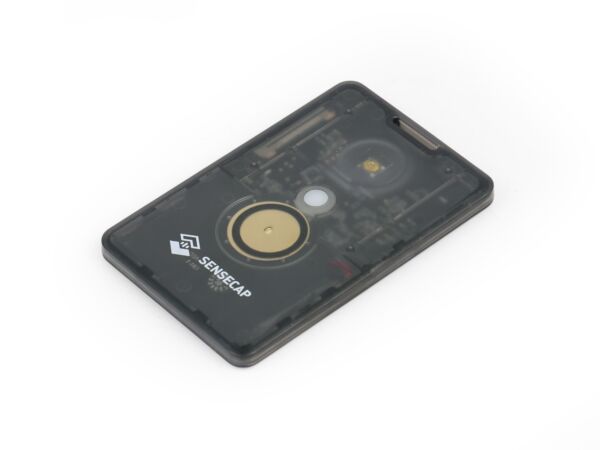
Seeed Studio SenseCAP T1000-E
Validated on hardware

SenseCAP T1000-E

Seeed Studio

A sealed, pocket-sized card tracker with a magnetic charging cable. No screen and one button, so it pairs with the phone app rather than standing alone. The most thoroughly exercised board in the project.

  • ProcessornRF52840
  • RadioSemtech LR1110
  • DisplayNone
  • GNSS/GPSAiroha AG3335
  • PowerInternal Li-ion

The reference board for UMSH development, and the one with the most hours on it.
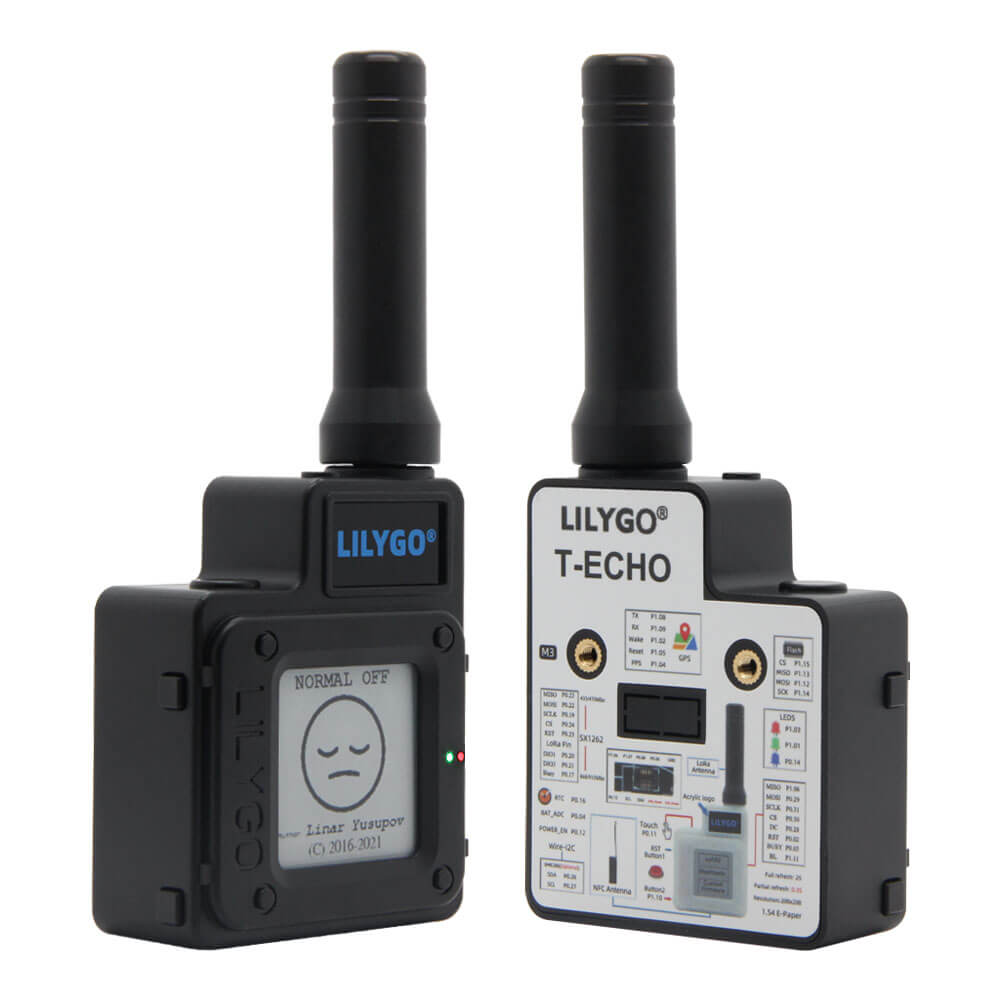
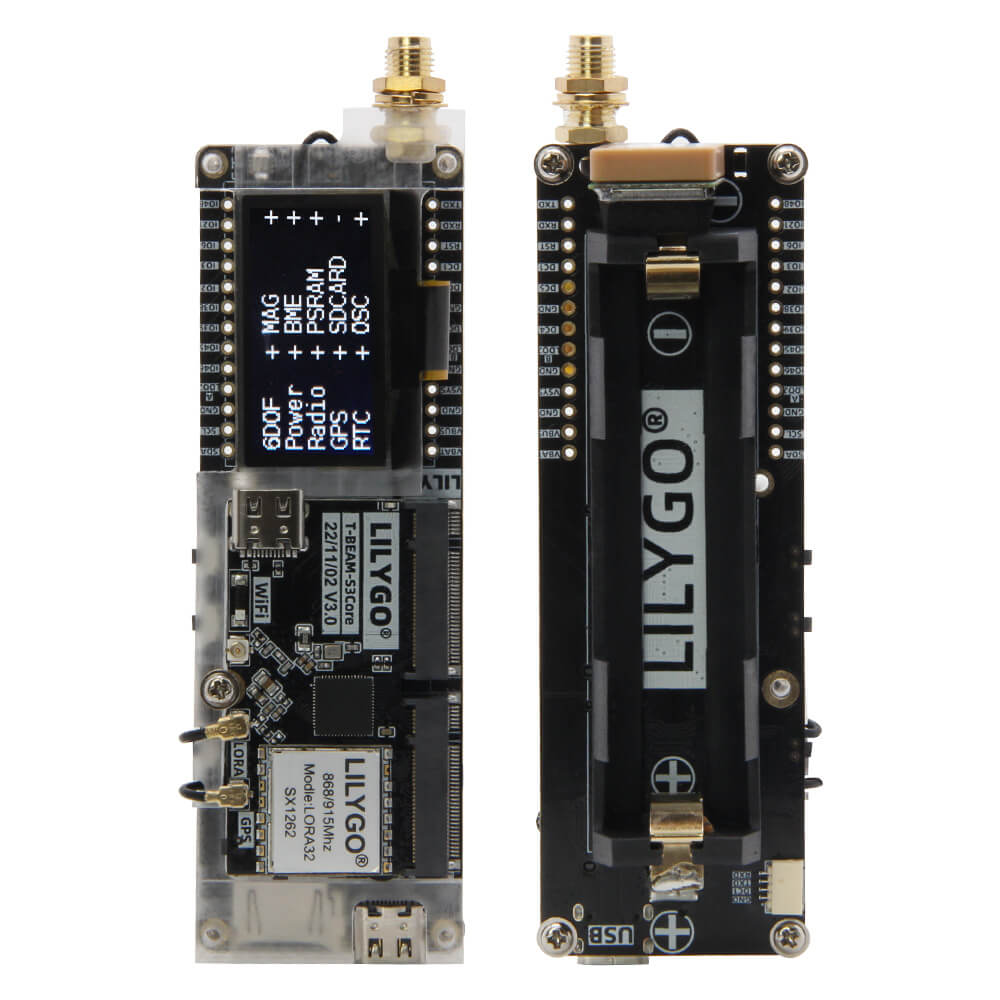
LilyGO T-Echo
Validated on hardware

T-Echo

LilyGO

A handheld tracker with a 1.54-inch e-paper display, so it can show messages and status on its own while still working as a phone companion. Low power draw between updates, and readable in direct sun.

  • ProcessornRF52840
  • RadioSemtech SX1262
  • Display1.54" e-paper, 200×200
  • GNSS/GPSQuectel L76K
  • Power850 mAh (2400 mAh on the Plus)

Bringup complete and validated on hardware, including the e-paper display and GNSS.

Seeed Studio Wio Tracker L1
Validated on hardware

Wio Tracker L1

Seeed Studio

A tracker with a small OLED display, a navigation button, and a mechanical power switch — the switch cuts the battery, so it survives a long spell in a drawer. The Pro ships assembled in a case, as pictured; the plain L1 is a bare board. The e-ink variant is not supported.

  • ProcessornRF52840
  • RadioSemtech SX1262
  • Display0.96" OLED, 128×64
  • GNSS/GPSQuectel L76K
  • PowerLi-ion with hardware power switch

Validated on hardware, including the display, GNSS, and over-the-air radio work.

Repeaters

Nodes meant to be installed somewhere and left running, to extend how far a mesh reaches.

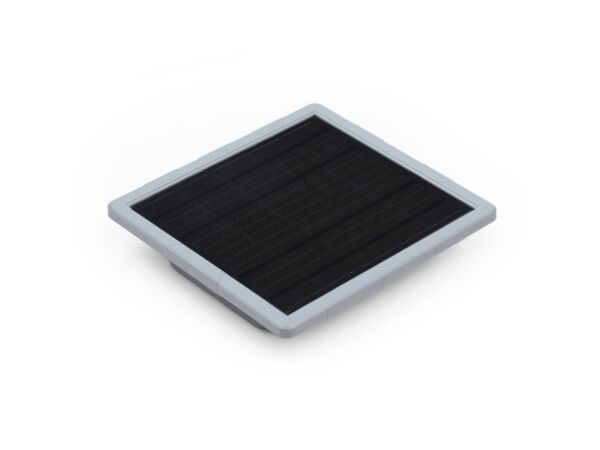
Seeed Studio SenseCAP Solar Node P1
Validated on hardware

SenseCAP Solar Node P1

Seeed Studio

An outdoor, solar-powered node built to be mounted somewhere and left alone. A 5 W panel and four 18650 cells carry it through bad weather, which is what you want from the node that fills in a gap in coverage.

  • ProcessornRF52840
  • RadioSemtech SX1262
  • DisplayNone
  • GNSS/GPSQuectel L76K (enabled by default)
  • Power4 × 18650 with 5 W solar panel

Radio, Bluetooth, GNSS, and the power path have all been validated on hardware.

Development boards

Open boards for building something of your own, or for working on UMSH itself.

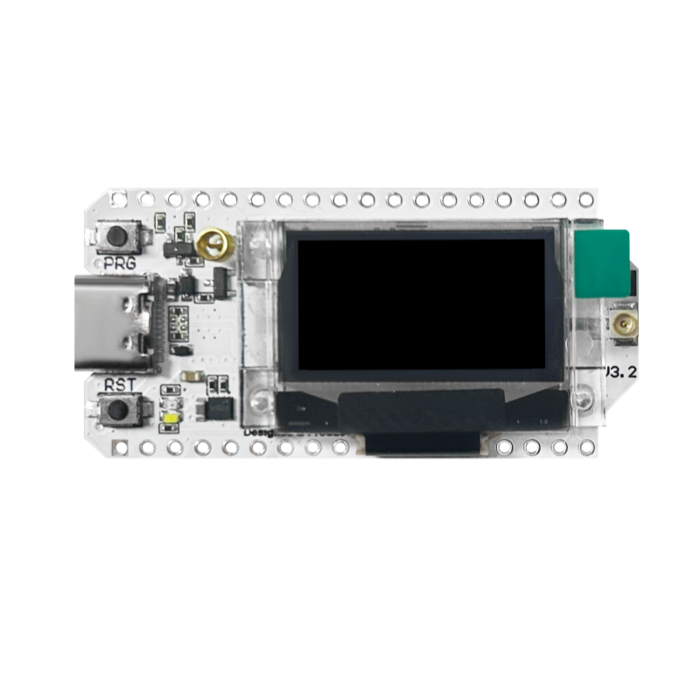
Heltec WiFi LoRa 32 V3
Validated on hardware

WiFi LoRa 32 V3

Heltec

An inexpensive, widely available development board with an OLED and exposed pins. It flashes over its USB serial bootloader, which cannot be bricked, so it is a forgiving board to experiment on.

  • ProcessorEspressif ESP32-S3
  • RadioSemtech SX1262
  • Display0.96" OLED, 128×64
  • GNSS/GPSNone
  • PowerLiPo connector with onboard charger

Validated on hardware, including Bluetooth pairing and over-the-air radio work.

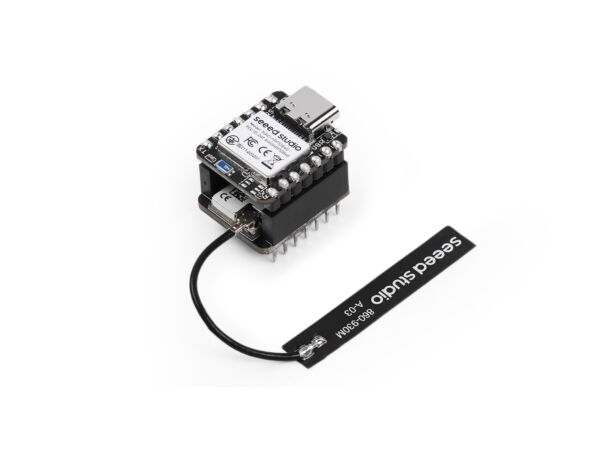
Seeed Studio XIAO nRF52840 + Wio-SX1262 Kit
Validated on hardware

XIAO nRF52840 + Wio-SX1262 Kit

Seeed Studio

A thumbnail-sized module on a radio carrier board. No buttons are populated, so it is a starting point for a build of your own rather than a finished device — and an inexpensive way to put a node on the air.

  • ProcessornRF52840
  • RadioSemtech SX1262
  • DisplayNone
  • GNSS/GPSNone
  • PowerLiPo via JST connector

Validated on hardware and working well.

Self-contained messagers

Handhelds with a keyboard and a screen, which work without a phone at all. No board in this class runs UMSH yet.

Photo coming soon
Planned

T-LoRa Pager

LilyGO

A keyboard-and-screen handheld — the first board that could run UMSH as a standalone messaging device, with no phone involved at all. A wide landscape display above a backlit thumb keyboard, and a rotary encoder for scrolling.

  • ProcessorEspressif ESP32-S3
  • RadioSemtech SX1262 (other radio modules are offered)
  • DisplayST7796 TFT, 480×222
  • GNSS/GPSYes
  • Power1500 mAh Li-ion with fuel gauge

The hardware is documented in the repository and the interface work for this class of device is sketched out. The port itself has not started.

Where to buy
Photo coming soon
Planned

T-Deck

LilyGO

Another keyboard handheld in the same class, with a trackball beside the keyboard instead of an encoder. Widely available and well established, which makes it an obvious second target once the first one works.

  • ProcessorEspressif ESP32-S3
  • RadioSemtech SX1262
  • Display2.8" IPS, 320×240
  • GNSS/GPSNone on the base board; the Plus adds a module
  • PowerLiPo via JST connector

Under evaluation. No audited hardware reference exists in the repository yet, so the figures above come from the vendor and have not been checked against a board.

Where to buy

Adding a board

Board support is a small crate describing the pins, plus a firmware manifest that selects it — the radio, storage, and protocol work is already shared. If you have hardware you would like to see supported, the porting checklist and the existing board packages are the place to start.